
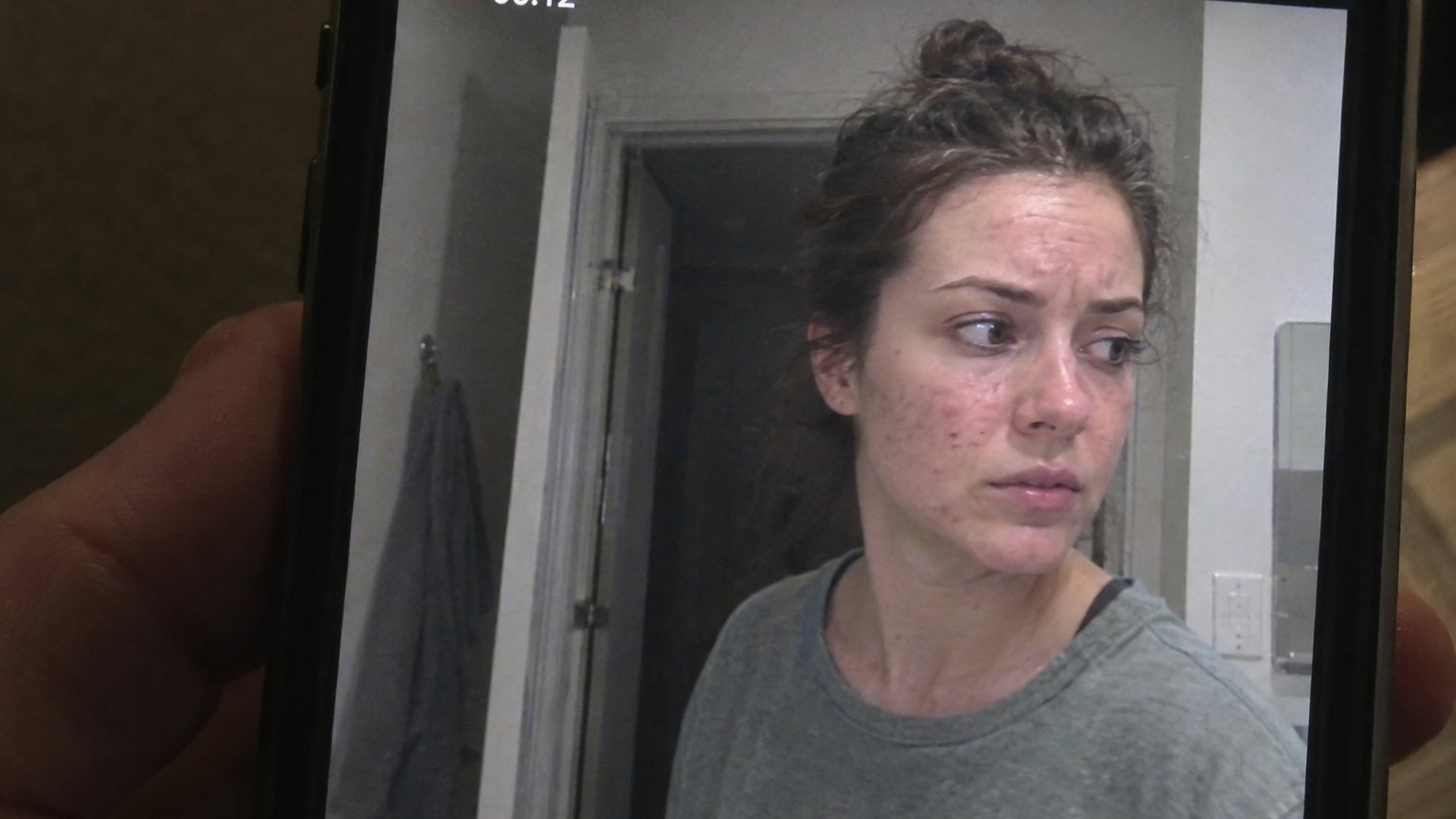
Checking dry acne-treated skin in 2026, patients had hydration rise 40%, after 23% at Week 2. Cureus reported the finding in a multicenter dermatology review published on May 11, 2026.
But the hydration number came from a smaller Corneometer group, not the full 1,364-record file. That matters if you are checking the mirror after a retinoid has made your face feel dry, red, or harder to tolerate before work or a video call.
The irritation records came from 357 clinics
The Cureus paper described a multicentric, retrospective, observational study across 357 dermatology clinics in India. Retrospective means the authors looked back at existing medical records, rather than assigning people to a new treatment plan.
The file included 1,364 eligible medical records for people prescribed a combined moisturizer and sunscreen regimen for retinoid-induced dermatitis. That term means irritation after retinoid acne treatment, such as dryness, stinging, tightness, or redness on the face.
The study period was four weeks. Cureus said the records were for patients being managed after acne vulgaris treatment, which keeps the finding close to the everyday problem many adults describe: the acne medicine may be helping the plan, but the skin can feel too irritated to keep using it comfortably.
Hydration reflects the barrier acne routines can strain
Cureus said skin hydration was measured with a Corneometer, a device that reads water in the outer skin. The authors described the rising readings as reflecting better skin barrier function over the four-week period.
That barrier detail is the acne link. Retinoids are used in acne care, but irritated skin can make a routine feel harder on the face. In this file, the measured hydration change was almost 23% at Week 2 and 40% at Week 4.
For someone dealing with jawline breakouts, the barrier is the part you feel when the skin stings after washing or looks flaky under makeup. The Cureus review did not measure embarrassment, photos, or camera use, but it did measure the skin dryness problem behind those moments.
Who was most represented?
The mean age in the eligible file was 24.49 years, with a standard deviation of 5.16 years. The study also reported 575 male patients and 789 female patients.
That works out to 42% male and 58% female using the percentages in the Cureus paper. The source allowed records from age 12 and older, so the file was not an adult-only sample, even though many readers facing this problem are adults.
The sex split matters for how readers picture the file. More than half of the eligible records were female, and the average patient was a young adult. Still, the paper did not give a separate adult-only hydration result, so the 40% Week 4 change should not be treated as an adult-only number.
A patient near the mean age can read the numbers this way
Take a patient at the reported mean age of 24.49 years who starts an acne retinoid and then feels tightness around the jawline before work. The Cureus file cannot predict that person’s result, because it was observational and based on records already made.
It can put the mirror moment in context. Among the measured patients, hydration was almost 23% higher at Week 2 and 40% higher at Week 4 from baseline. The study did not say those 158 later measurements were randomly selected.
That limit is important. The Corneometer group represented clinics that had the devices, not a random slice of all 1,364 records. So the number is useful as a measured barrier finding, not as a promise about what every retinoid user will experience.
The Week 4 hydration number came from 158 measured patients
The table shows the full breakdown reported in the Cureus paper and the rounded percentages used here.
| Measure | Reported number |
|---|---|
| Eligible medical records | 1,364 |
| Dermatology clinics | 357 |
| Male patients | 575 (42%) |
| Female patients | 789 (58%) |
| Mean age | 24.49 years |
| Age standard deviation | 5.16 years |
| Corneometer group at baseline | 162 |
| Corneometer group at Weeks 2 and 4 | 158 |
| Hydration change at Week 2 | 23% |
| Hydration change at Week 4 | 40% |
What this means for you
If your acne retinoid leaves your face stingy, tight, or visibly dry, do not treat that as a personal failure. The Cureus review found that retinoid irritation was tracked across 357 clinics and 1,364 records.
Ask a dermatologist or pharmacist how to use retinoids, moisturizers, and sunscreen together for your skin. They can explain timing, product type, and warning signs without guessing from a mirror or a video-call camera.