
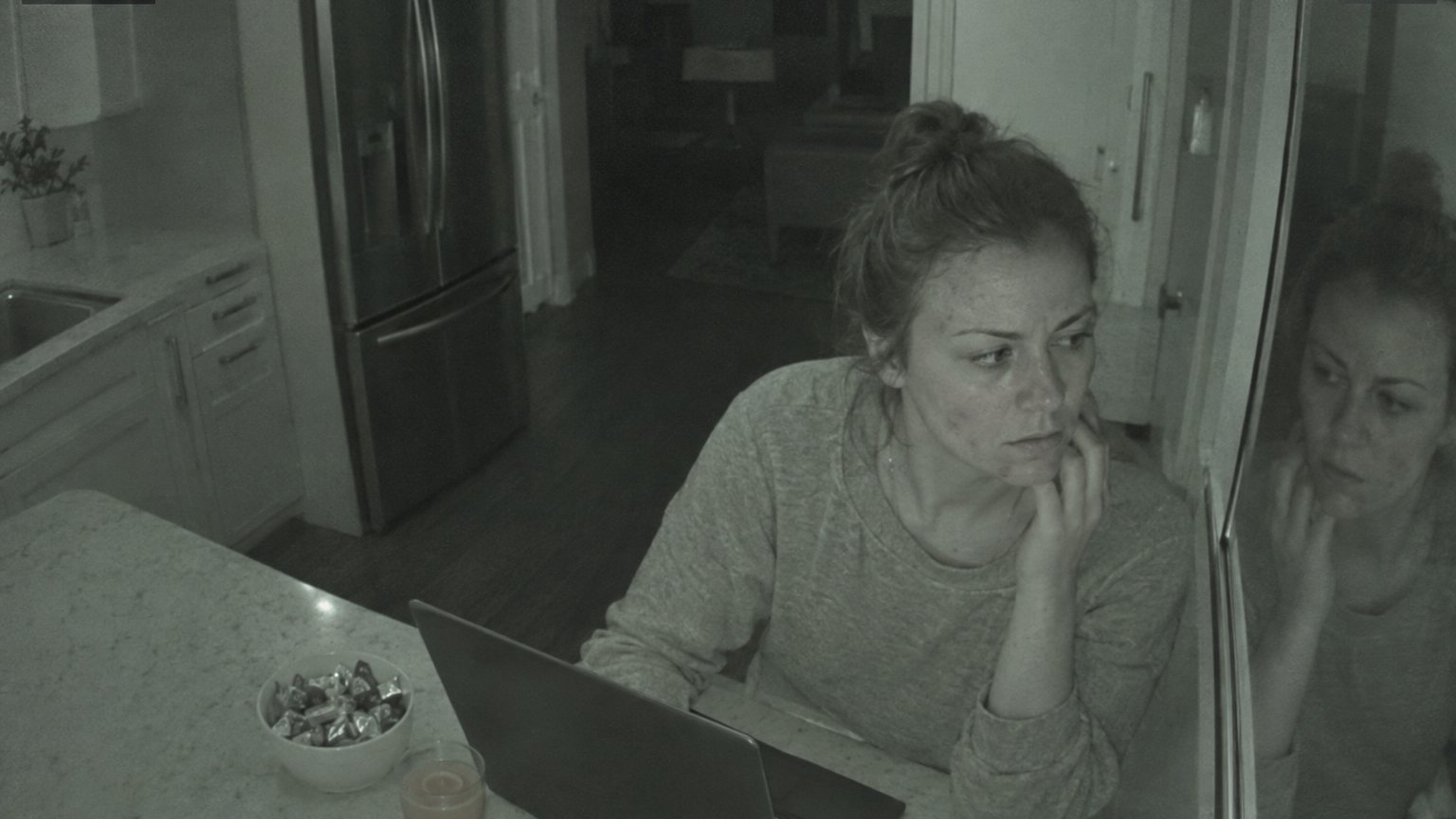
In 2012, young adults with acne averaged a dietary glycemic load of 175, versus 122 in controls, 43% higher by our calculation. BMC Dermatology published the case-control study, which compared 44 acne patients with 44 controls aged 18 to 30.
But the finding is a comparison, not proof that one candy bowl, latte or takeout week caused a breakout. It matters most if your acne seems to flare around higher-sugar meals, late nights and photos where redness feels impossible to ignore.
The acne group and control group were matched one-for-one
The BMC Dermatology study used 44 people with acne vulgaris and 44 people without acne as controls. Acne vulgaris is the common form of acne, with clogged pores, inflamed bumps or both. Everyone in the comparison was an adult aged 18 to 30.
Dietary glycemic load combines how carbohydrate foods affect blood sugar with how much of them people eat. The average was 175 with a spread of 35 in the acne group, and 122 with a spread of 28 in controls.
Take a 28-year-old who is trying to spot patterns before holiday photos. If their eating week looks closer to 175 than 122 on this scale, the BMC Dermatology number gives a reason to track food and breakouts together, not a verdict about their skin.
The measured food pattern sat inside real acne
The bridge to skin is that both 2012 papers studied people with acne, not a general diet group. BMC Dermatology measured 44 acne vulgaris patients, and Acta Dermato Venereologica separately studied 32 patients with mild to moderate acne.
That keeps the food number tied to visible breakouts. The supplied sources do not give a pore-by-pore mechanism, so the safer reading is narrow: a higher blood-sugar-load eating pattern was recorded in one adult acne group, then a low-glycemic-load approach was tested in another acne group.
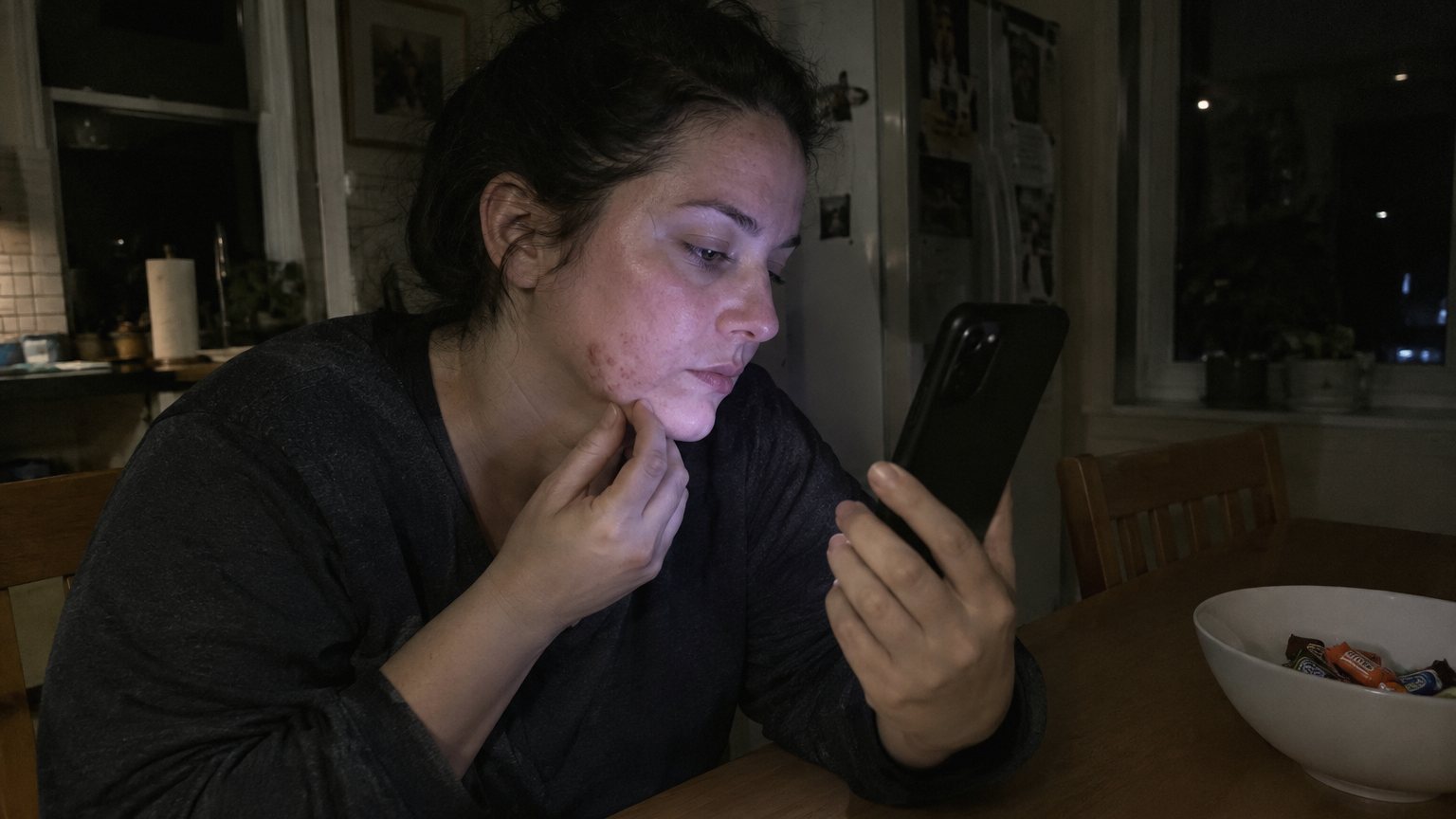
Why can’t one snack be blamed from this number?
A case-control design compares groups at one point in time. The BMC Dermatology paper reported that the 175 versus 122 gap had a p value below 0.001, but that statistic does not prove that changing food alone changes acne.
The 43% figure is Crowley Star’s calculation from the published averages, 175 and 122. It is not a separate measurement made by the journal, and it does not single out candy, pumpkin drinks, restaurant meals or any one holiday week.
A separate trial tested the low-glycemic idea for 10 weeks
Acta Dermato Venereologica published a separate 2012 randomized, controlled trial in people with mild to moderate acne. In that study, 32 patients completed a 10-week parallel diet intervention, with one group assigned to a low-glycemic-load diet and the other to a control diet.
That trial is useful because it tested the same general idea in acne patients rather than only comparing what people reported eating. The supplied source material does not give the result numbers here, so the safe takeaway is limited: the low-glycemic-load approach was studied.
The diet-acne numbers behind the comparison
The table keeps the case-control finding and the separate trial in view. The main payoff is the gap between 175 and 122 in the BMC Dermatology comparison.
| Measure | Number |
|---|---|
| BMC Dermatology acne cases | 44 people aged 18 to 30 |
| BMC Dermatology controls | 44 people aged 18 to 30 |
| Average dietary glycemic load in acne cases | 175 ± 35 |
| Average dietary glycemic load in controls | 122 ± 28 |
| Crowley Star calculation from 175 and 122 | 43% higher in acne cases |
| Acta Dermato Venereologica randomized trial | 32 patients completed 10 weeks |
What this means for you
If your breakouts seem to follow higher-glycemic weeks, track the pattern beside acne location, stress, sleep and your period if that applies. Bring that record to a dermatologist, especially if you have painful bumps, jawline flares or marks that linger.
A dermatologist or pharmacist can also help you decide how to use acne treatments such as benzoyl peroxide, adapalene or prescription options. Food changes may be part of a plan, but they should not replace care for acne that is painful, scarring or affecting your confidence.