
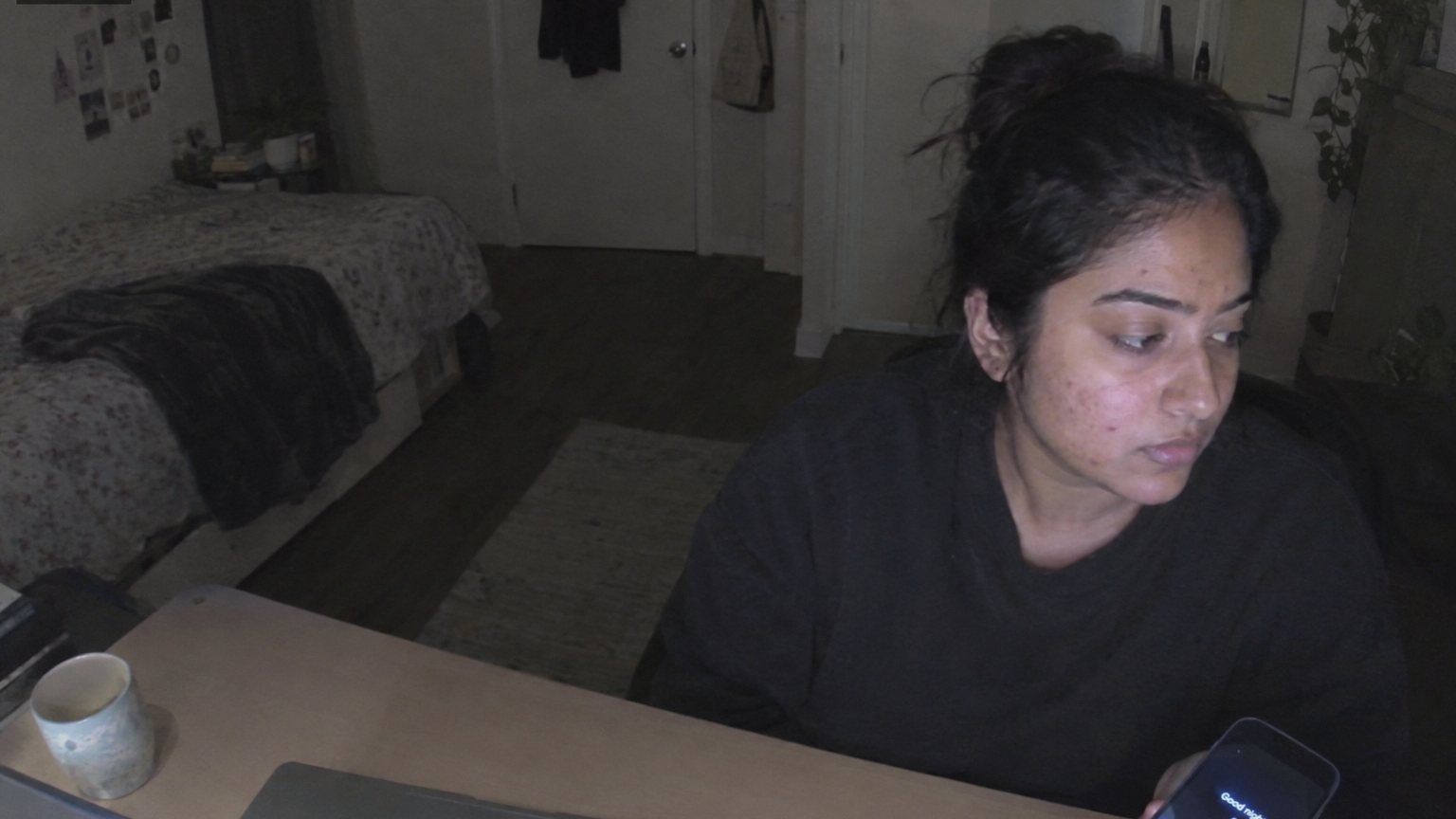
In 2020, 30 of 40 adults with acne in one clinic group had poor sleep, a 75% share. The MDPI paper, available through PMC, used the Pittsburgh Sleep Quality Index, or PSQI, a sleep-quality questionnaire. But the standard PSQI score did not climb neatly from mild to severe acne.
That twist matters if your breakouts look mild in the mirror, yet sleep still feels off. The clinic group was small, with 40 adults, and it does not prove acne caused poor sleep. It does show that poor sleep was not rare in this acne group.
Poor sleep was common before severe acne dominated the group
The 2020 MDPI/PMC study enrolled 40 adults with acne from dermatology clinics in Ohio. Most were women, with 83% female after rounding from the source figure of 83%. The group was 58% white after rounding from 58%.
Take one adult in that 40-person clinic line. If the group matched the study exactly, 30 people would have a PSQI score of 5 or greater, the cutoff the authors used for poor sleep quality. Only 10 would fall below that cutoff.
Breakouts can keep attention on pores, oil and redness at bedtime
Acne sits on visible skin, so the sleep number is not only about the pillow. Pores, oil, redness and raised bumps can keep your attention on your face at night, especially after a video call, date or workday when you felt watched.
The MDPI/PMC paper also measured acne severity with the Global Acne Grading System, or GAGS, an objective score for acne. In adjusted analysis, worse GAGS severity was linked with worse sleep, even though the standard PSQI score itself did not separate mild, moderate and severe acne cleanly.
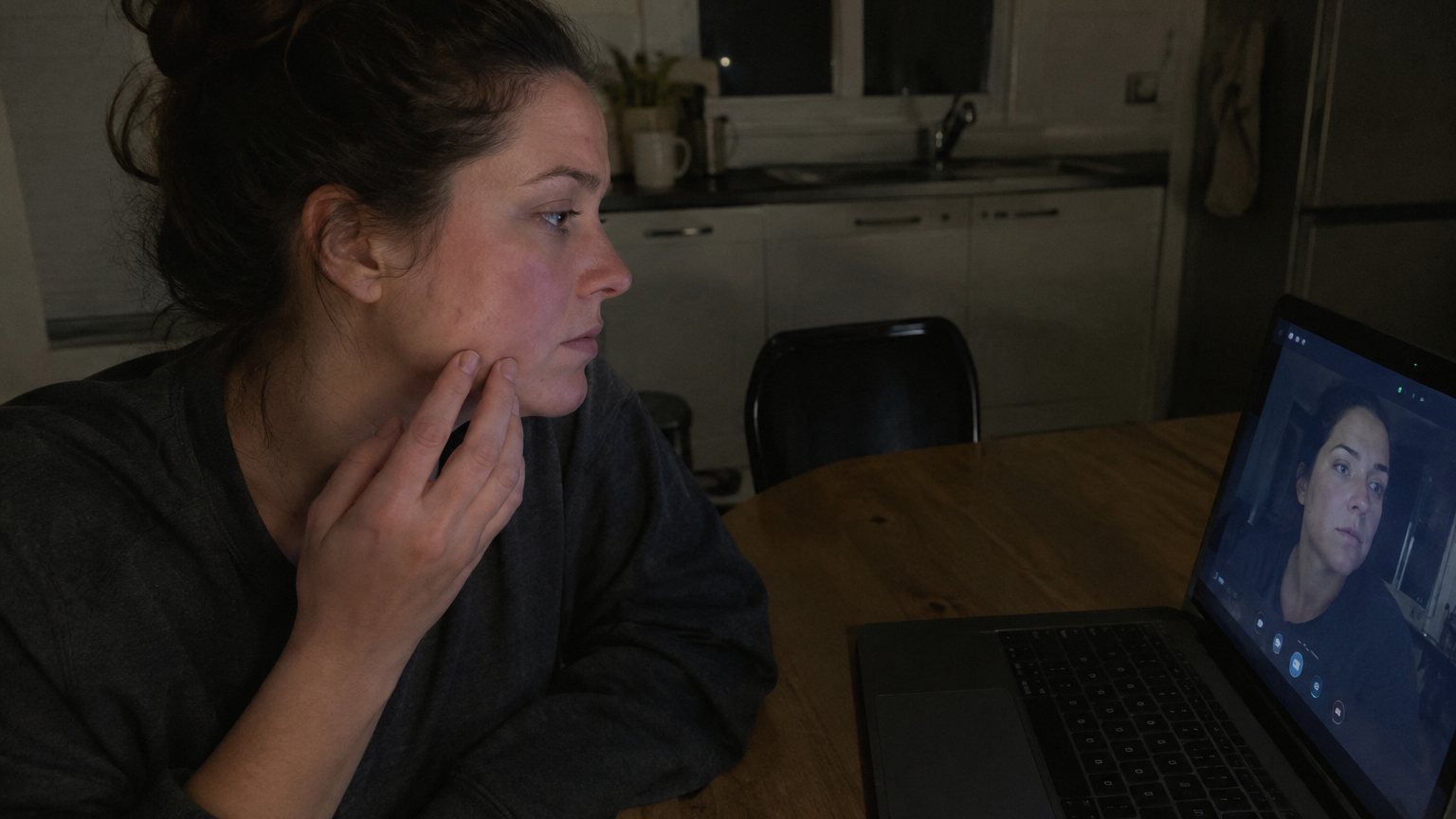
Why did mild acne still sit beside bad sleep?
The severity mix helps explain why the finding feels surprising. In the Ohio clinic group, 21 adults had mild acne, 17 had moderate acne and only 2 had severe acne. Yet 30 adults crossed the PSQI poor-sleep cutoff.
A mild acne label can still cover breakouts on the face, jawline or body that feel loud to the person living with them. The study did not measure every reason someone slept badly. It captured a sleep score at the same time as an acne exam.
Acne patients averaged 5.2 on PSQI in another group
A 2023 Springer Nature article record indexed on PubMed gives a second comparison. It recruited 81 patients with acne and 76 healthy controls. The acne group had an average age of 21.6 years, with a 5.0-year spread reported by the authors, and 52% were female.
In that study, acne patients had a higher PSQI score than controls: 5.2 versus 4.1. The reported p value was 0.008, meaning the difference was unlikely to be due to chance under the study’s statistical test.
The acne severity breakdown in the clinic group
The clinic cohort was mostly mild or moderate acne, which is why the poor-sleep result should not be read as only a severe-acne story.
| Acne severity | Adults in group |
|---|---|
| Mild | 21 |
| Moderate | 17 |
| Severe | 2 |
| Total | 40 |
What this means for you
If acne is part of why you keep checking your face, avoiding cameras or staying awake, bring sleep into the skin conversation. Tell a dermatologist if breakouts, discomfort, picking or worry are affecting nights, work mornings or relationships.
Ask a dermatologist or pharmacist how to use acne treatments such as benzoyl peroxide, adapalene or prescription options if they fit your skin. The studies above do not prove acne treatment improves sleep. They do show that sleep trouble can be common in acne groups.