
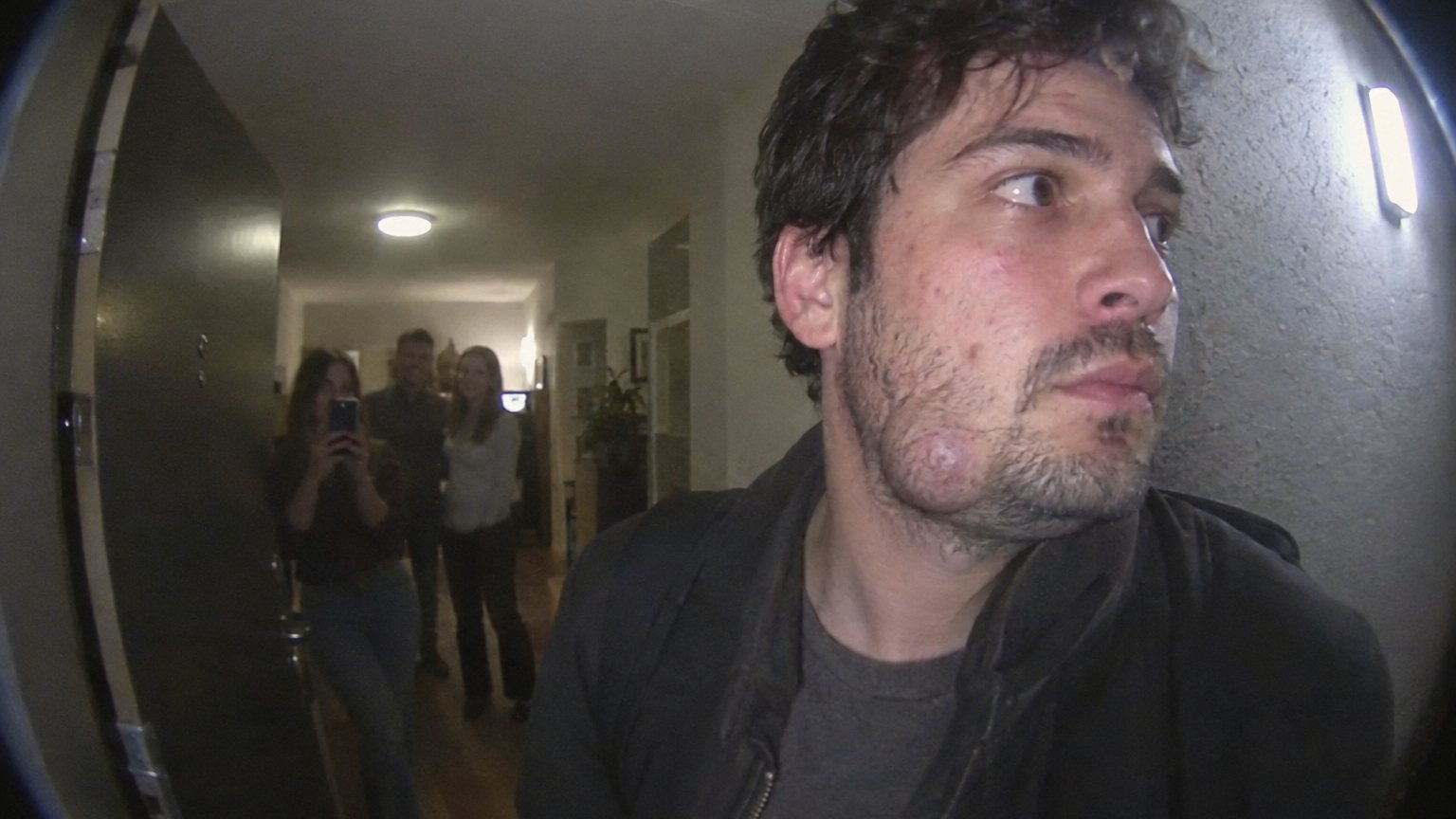
In 2021, people with severe nodulocystic acne saw steroid-shot cysts average 2.5 improvement by day 3, versus 0.9 with saline. The National Institute for Health and Care Excellence, summarized on NCBI Bookshelf, reported the result from a small randomized acne trial.
But NICE also called the evidence high risk of bias and said the triamcinolone-versus-saline difference was not reported as statistically significant. That caveat matters if you are staring at one raised cyst before a party photo, a date, or a work camera day.
Day 3 was the sharpest photo-timing number
The scale ran from 0 to 3, and NICE said 3 meant complete flattening. On that scale, acne cysts injected with intralesional triamcinolone averaged 2.5 at day 3. Saline-injected lesions averaged 0.9 at the same checkpoint.
Take an adult with one painful-looking jawline cyst before weekend photos. The trial number does not predict their face. It does show the specific comparison NICE summarized: by day 3, the steroid-injected cysts were much closer to the top of a 0-to-3 flattening scale than saline lesions.
That is the part readers usually want in plain language: the public summary measured a visible change over days, not a long acne routine over weeks. The reported day 3 gap was on the same 0-to-3 scale, in the same severe nodulocystic acne trial, with saline as the comparison.
Flattening was measured, not oil, redness or pain
The skin number here is about visible height. NICE described severe nodulocystic acne and cystic lesions, then reported average improvement on a flattening scale. The public summary did not give clean lesion-size data, redness scores, pain scores, oil measurements, or pore-level findings.
That matters because a cyst can feel sore, look red, and cast a shadow in photos even when it is getting flatter. The NICE summary answers the flattening question best. It does not tell readers how much redness faded, how much pain changed, or how the spot looked under bright camera light.
Why is the evidence still thin?
NICE said one randomized controlled trial by Levine in 1983 was included in this review. The public summary described 17 participants. In one study arm, 9 participants had 64 cystic lesions randomized to triamcinolone, and 9 lesions received saline.
That is a very small people count for a question many adults care about in real life. The lesion count was larger than the participant count, but the summary still flagged high risk of bias and did not report whether the triamcinolone and saline difference was statistically significant.
The design also means the number is about lesions, not a whole-face acne score or a typical month of breakouts. A person with several inflamed spots, picking marks, or darker post-acne marks may care about outcomes the NICE table did not report.
By day 7, both groups had moved
The day 7 numbers kept the same direction. NICE reported average improvement of 2.6 after triamcinolone and 1.3 after saline. The scale still ran from 0 to 3, with 3 meaning complete flattening.
That day 7 detail is useful because acne cysts can change over several days even without the active steroid injection. In the summary, saline lesions averaged 0.9 at day 3 and 1.3 at day 7, while triamcinolone lesions averaged 2.5 and 2.6.
For a reader, the day 7 number adds context to the day 3 photo worry. The steroid-injected lesions were already near 3 at day 3 and barely higher at day 7. Saline lesions improved from 0.9 to 1.3 across the same reported window.
What the small trial actually reported
The NICE table is narrow. It gives flattening-scale averages and sample details, but it does not give the photo-day details many readers would want, such as redness, pain, dents, or color changes.
Here is every main acne-specific item from the public NICE and NCBI Bookshelf summary, including the warning about statistical significance. The table keeps the reported numbers separate from the outcomes the public summary did not clearly count.
| Item in the public summary | What NICE reported |
|---|---|
| Review source | 1 randomized controlled trial, Levine 1983 |
| Participants | 17 participants with severe nodulocystic acne |
| Triamcinolone arm | 9 participants; 64 cystic lesions randomized to the intervention |
| Saline comparator | 9 lesions received saline injection |
| Day 3 average improvement | 2.5 with triamcinolone; 0.9 with saline |
| Day 7 average improvement | 2.6 with triamcinolone; 1.3 with saline |
| Scale | 0 to 3, where 3 meant complete flattening |
| Statistical significance | Not reported for the triamcinolone-versus-saline difference |
| Dents or color changes | Not clearly reported in the acne trial summary |
What this means for you
If one swollen cyst is changing how you feel about photos, ask a dermatologist whether an intralesional corticosteroid injection is appropriate for your situation. The public NICE summary found faster flattening by day 3, but it was based on 17 participants and a high-risk-of-bias study.
Also ask what side effects they watch for, including skin dents or color change, because the public acne summary did not give clear counts for those outcomes. A pharmacist or dermatologist can also help you choose acne treatments and explain how to use them safely.