
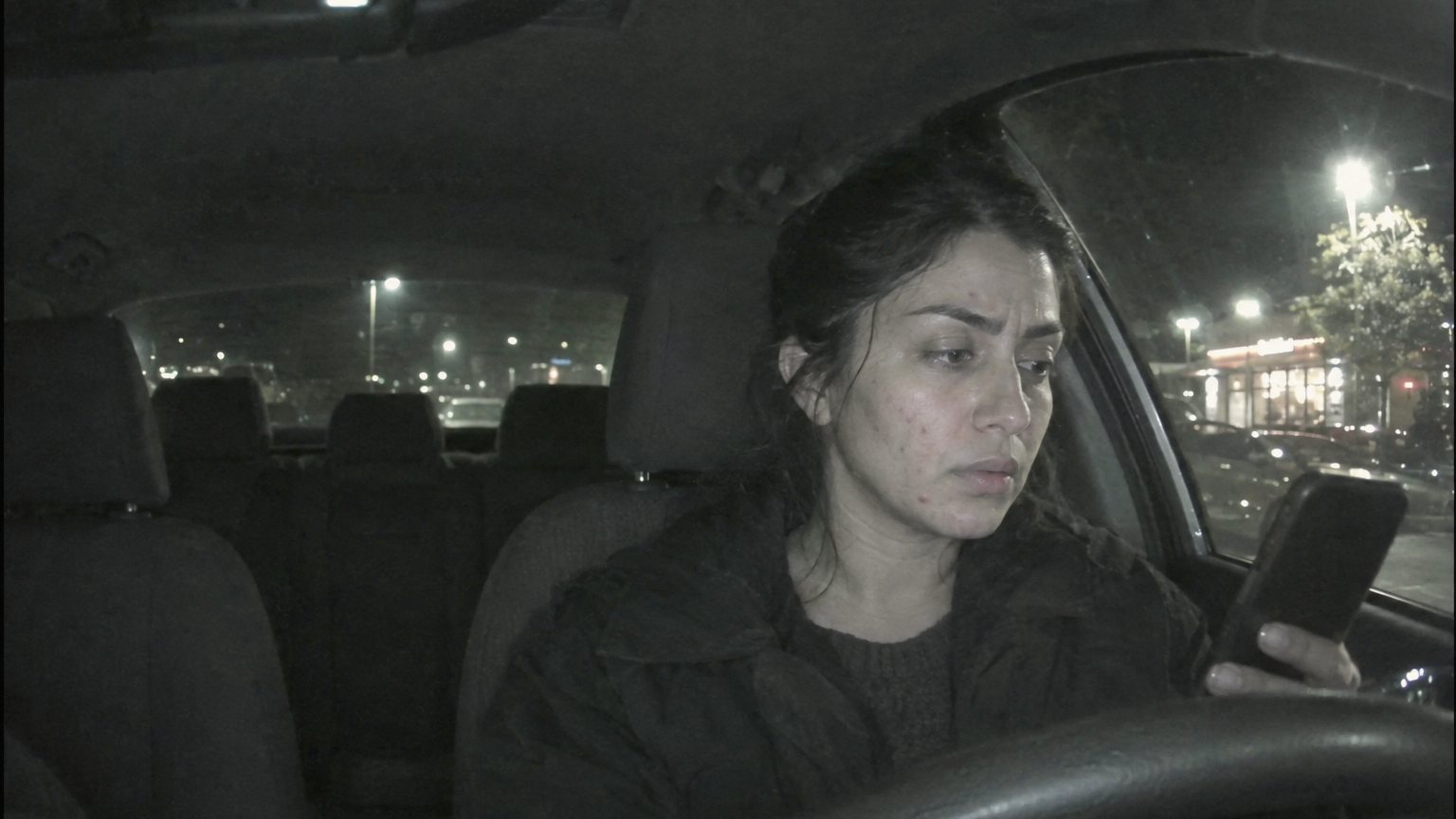
By Crowley Star's count, in 2023 adults rated severe-acne versions of the same 4 faces worse in 5 of 5 quoted social situations. The JAMA Dermatology cross-sectional internet survey, available through PMC, used 4 adult stock portraits and 1,315 survey participants.
But the clearest quoted results were for severe acne, not every mild breakout before a date or office photo. The study still speaks to a common adult fear: the face stayed the same, while visible acne changed how people responded.
Severe acne moved all 5 quoted situations
The severe-acne results covered comfort being friends, hiring, physical contact, dating, and posting a photograph together on social media. Compared with no acne, the adjusted coefficient was -0.28 for friendship, -0.33 for hiring, -0.26 for physical contact, -0.44 for dating, and -0.50 for posting a photo together.
Take an adult heading to a first date with a visible jawline breakout. In this study design, the comparison was not between different people. It was the same adult portrait, shown without acne and with severe acne digitally added.
The dating result had a 95% CI of -0.74 to -0.14 and a P value of .004. The hiring result had a 95% CI of -0.51 to -0.15 and a P value of less than .001.
Visible breakouts were the edited skin cue
The skin detail in the study was visible acne on adult faces. JAMA Dermatology wrote that "4 stock portraits of adults" varied by sex, listed as male or female, and skin tone, listed as light or dark.
Those portraits were "digitally enhanced to have acne" described as mild or severe. The paper did not test oil, pores, hormones, stress, friction, or treatment. Its skin evidence was visual: acne was the change that survey participants saw.
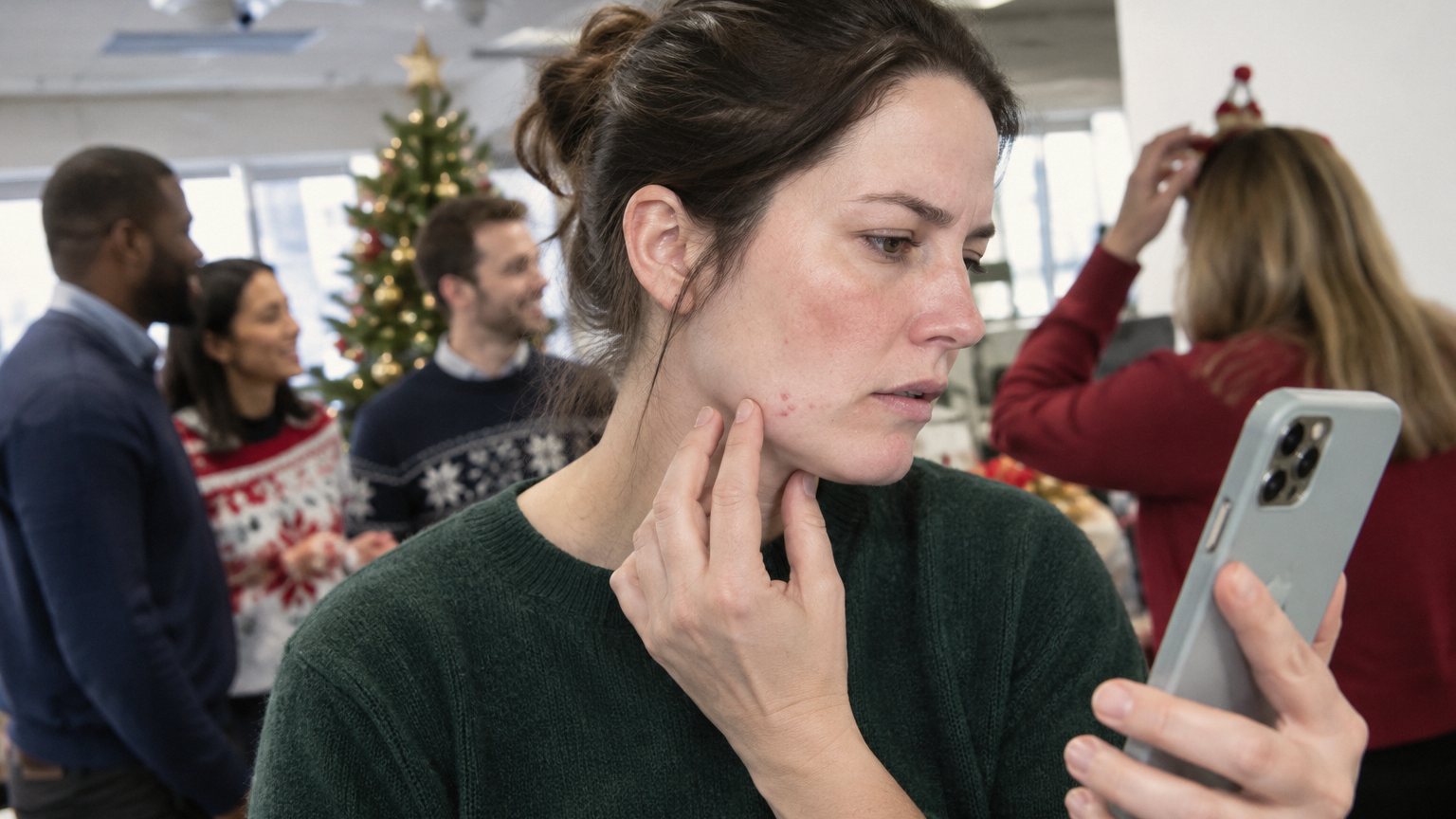
Which social-photo rating moved the most?
Among the 5 quoted severe-acne social situations, the largest coefficient was for posting a photograph together on social media, at -0.50. Dating followed at -0.44, hiring at -0.33, friendship at -0.28, and physical contact at -0.26.
The social-media photo result had a 95% CI of -0.70 to -0.30 and a P value of less than .001. In plain English, the strongest quoted shift was tied to being seen together in a public-looking photo.
Skin tone changed the size of the social-distance effect
The study reported "no evidence of association modification by sex" of the photographed adults. It also reported evidence that the effect size of acne on desire to social distance was greater for individuals with dark skin.
The quoted passage did not give a single coefficient for that dark-skin difference, so this story does not turn it into a new score. The finding still matters for adults who already worry about visible acne in bright photos.
The five social ratings compared with no acne
Here is the full quoted severe-acne breakdown from the 2023 JAMA Dermatology study, compared with no acne on the same adult portraits.
| Social situation | Adjusted coefficient versus no acne | 95% CI | P value |
|---|---|---|---|
| Comfort being friends | -0.28 | -0.47 to -0.10 | .003 |
| Comfort hiring | -0.33 | -0.51 to -0.15 | <.001 |
| Comfort having physical contact | -0.26 | -0.45 to -0.08 | .006 |
| Comfort dating | -0.44 | -0.74 to -0.14 | .004 |
| Comfort posting a photograph together on social media | -0.50 | -0.70 to -0.30 | <.001 |
What this means for you
If acne is making you avoid dates, photos, video calls, or work events, your worry is not imaginary. In this 2023 survey, visible severe acne changed 5 of 5 quoted social-comfort ratings when the adult portrait was otherwise the same.
Your own skin is still not a survey image. A real breakout has a cause, a pattern, and a history that a portrait cannot show. Track where acne appears, how long it lasts, whether it leaves marks, and what seems to trigger flares.
Ask a dermatologist or pharmacist which acne options fit your breakout pattern, skin tone, marks, and sensitivity. They can explain how to use treatments such as benzoyl peroxide, retinoids, or prescription options safely.