
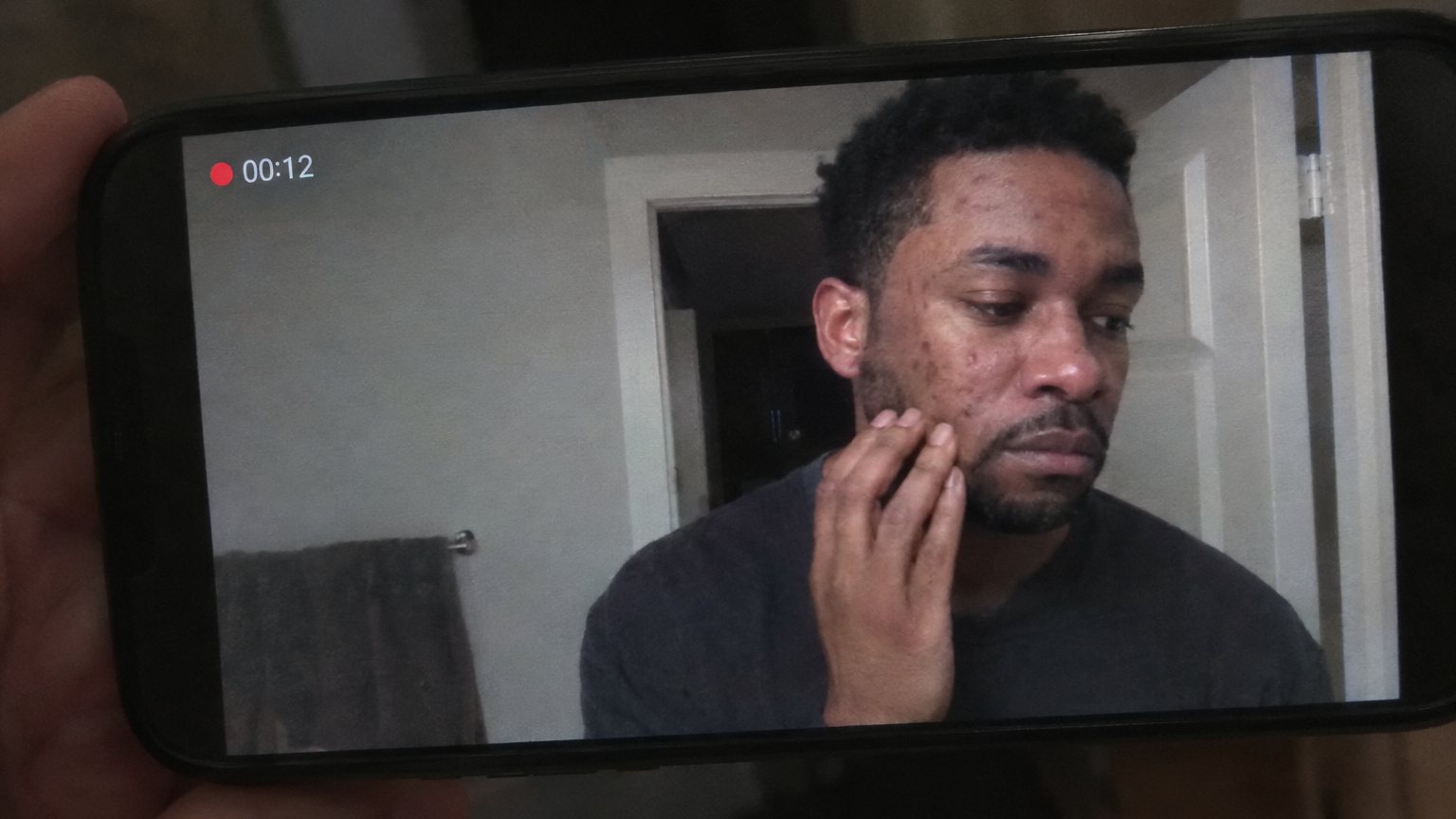
In a 2016 Indian Journal of Dermatology study of acne patients aged 15 years and above, 88% of cases reported embarrassment or self-consciousness due to acne, while choice of clothes was lowest at 37%. The 100-patient acne vulgaris study used the Dermatology Life Quality Index, or DLQI, a skin quality-of-life questionnaire.
But embarrassment was not the only daily-life hit. The same study reported social or leisure activities were affected in 68% of patients, work or study in 57%, and problems with a partner, close friends or relatives in 75%.
A 100-patient questionnaire covered daily life with acne
The 2016 paper included 100 consecutive, newly diagnosed patients with acne vulgaris. Acne vulgaris is the common form of acne, with clogged pores and inflamed bumps. Patients filled out the DLQI questionnaire on their own, according to the Indian Journal of Dermatology.
The sample was aged 15 years and above, so it was not an adult-only group. Still, the study's daily-life categories map closely to adult moments such as the laptop camera, a work meeting, a dinner table, a shared bathroom mirror or getting dressed.
The DLQI is built around ordinary activities, not only symptoms. In this study, the authors analyzed acne and its sequelae across 10 domains of daily life. Sequelae means after-effects, such as marks or other skin changes that remain after active breakouts.
Take an adult who checks jawline acne in a laptop camera before a meeting. In this study's categories, that worry lands in the 88% embarrassment domain, while changing clothes because of acne landed at 37%. A date or family dinner could also fall into the 75% close-relationship domain.
Bumps, redness and marks became part of the life score
The 2016 journal article said the relationship between acne vulgaris and its sequelae was analyzed across 10 different domains of daily life. That makes the number about the skin and the reaction to the skin at the same time.
That skin wording matters for the face-on-screen feeling. A breakout can mean active bumps, redness, oiliness or marks that are still healing. The paper did not measure video calls, but it did measure self-consciousness linked to acne.
For a reader with adult breakouts, the visible part may be small in square inches and large in attention. The 88% figure came from people reporting embarrassment or self-consciousness, not from a doctor grading how the acne looked to someone else.
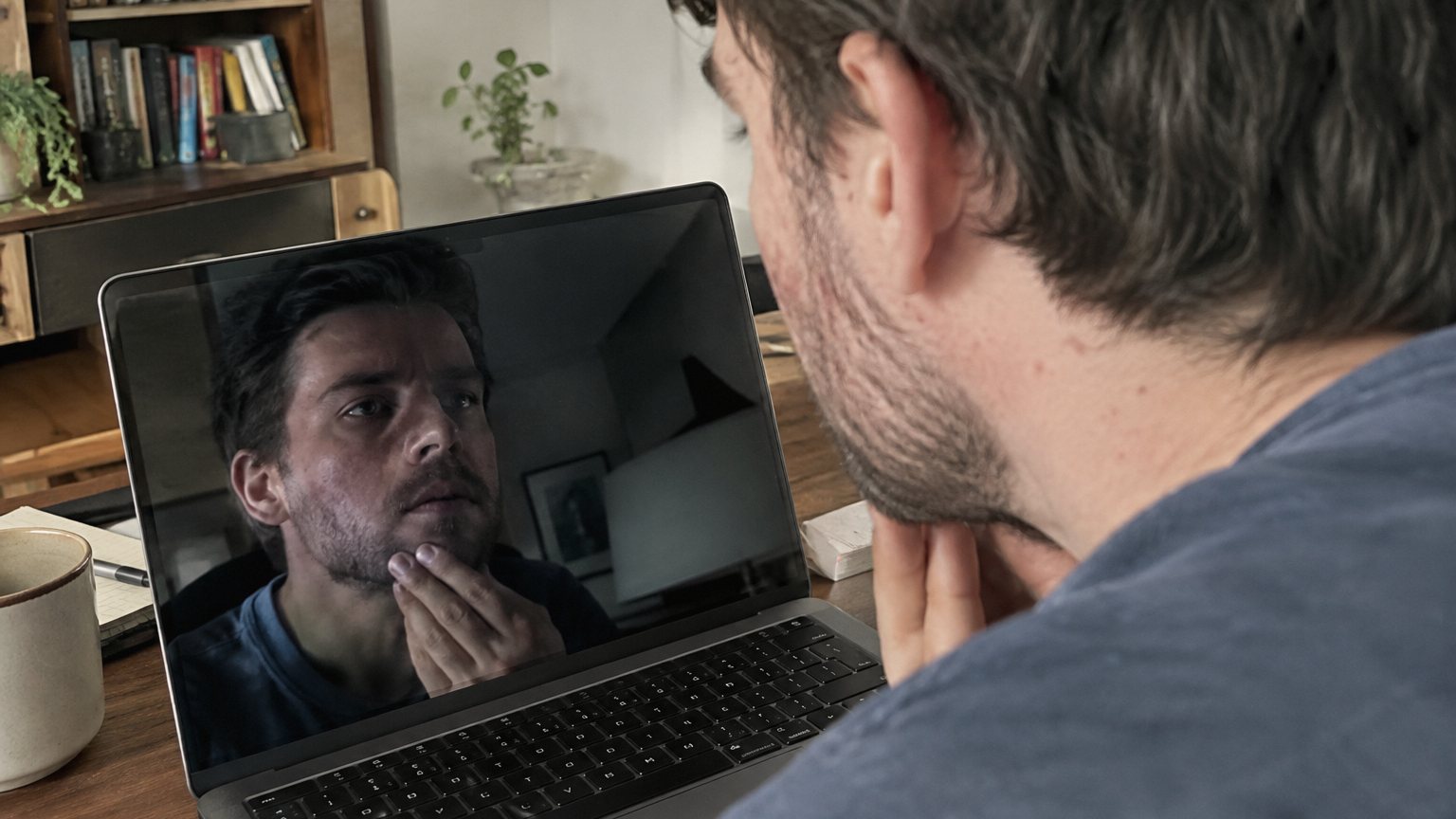
Why can close relationships outrank work?
The 2016 paper's relationship wording was broad: partner, close friends or relatives. That domain reached 75%, which was higher than the 57% reported for work or study.
That difference fits many adult acne situations. Work may mean a camera, a badge photo or fluorescent office light. Close relationships can mean sitting inches away from someone who already knows your face, which may make every new bump feel noticed.
A 2022 BMC Dermatology study available in PMC also found a notable difference for work and study parameters, with P = 0.004. A P value is a research statistic, not a personal score, but it adds adult-specific context.
Adult acne had the same median life-quality score in 2022
The 2022 study compared acne adultorum with acne vulgaris groups. Acne adultorum means adult acne in the paper's terminology. The study reported acne adultorum in 380 people and acne vulgaris in 633 people.
In that 2022 study, the adult group had a median total DLQI score of 6, with a minimum of 0 and maximum of 29. The comparison group also had a median of 6, with a minimum of 0 and maximum of 26.
The adult score adds context for readers whose breakouts are happening now, not only in memory. The 2022 authors reported no significant difference for most DLQI dimensions between the adult and comparison groups, while work and study stood out.
Every daily-life area measured in the acne study
The 2016 Indian Journal of Dermatology paper gives the clearest breakdown of which parts of daily life were most often affected among the 100 acne patients.
| DLQI domain or item among acne patients | Share reporting impact |
|---|---|
| Embarrassment/self-consciousness | 88% |
| Choice of clothes | 37% |
| Effect on social/leisure activities | 68% |
| Effect on work/study | 57% |
| Problems with partner/close friends/relatives | 75% |
What this means for you
If acne changes how you act on camera, at work, on dates or with friends, track that as part of the problem. Bring those details to a dermatologist or pharmacist, along with where breakouts appear and what you have tried.
Ask how over-the-counter options such as benzoyl peroxide, adapalene or azelaic acid, or prescription choices, fit your skin and health history. A dermatologist or pharmacist can tell you how to use treatments safely. If the embarrassment feels heavy or changes what you avoid, say that plainly.