
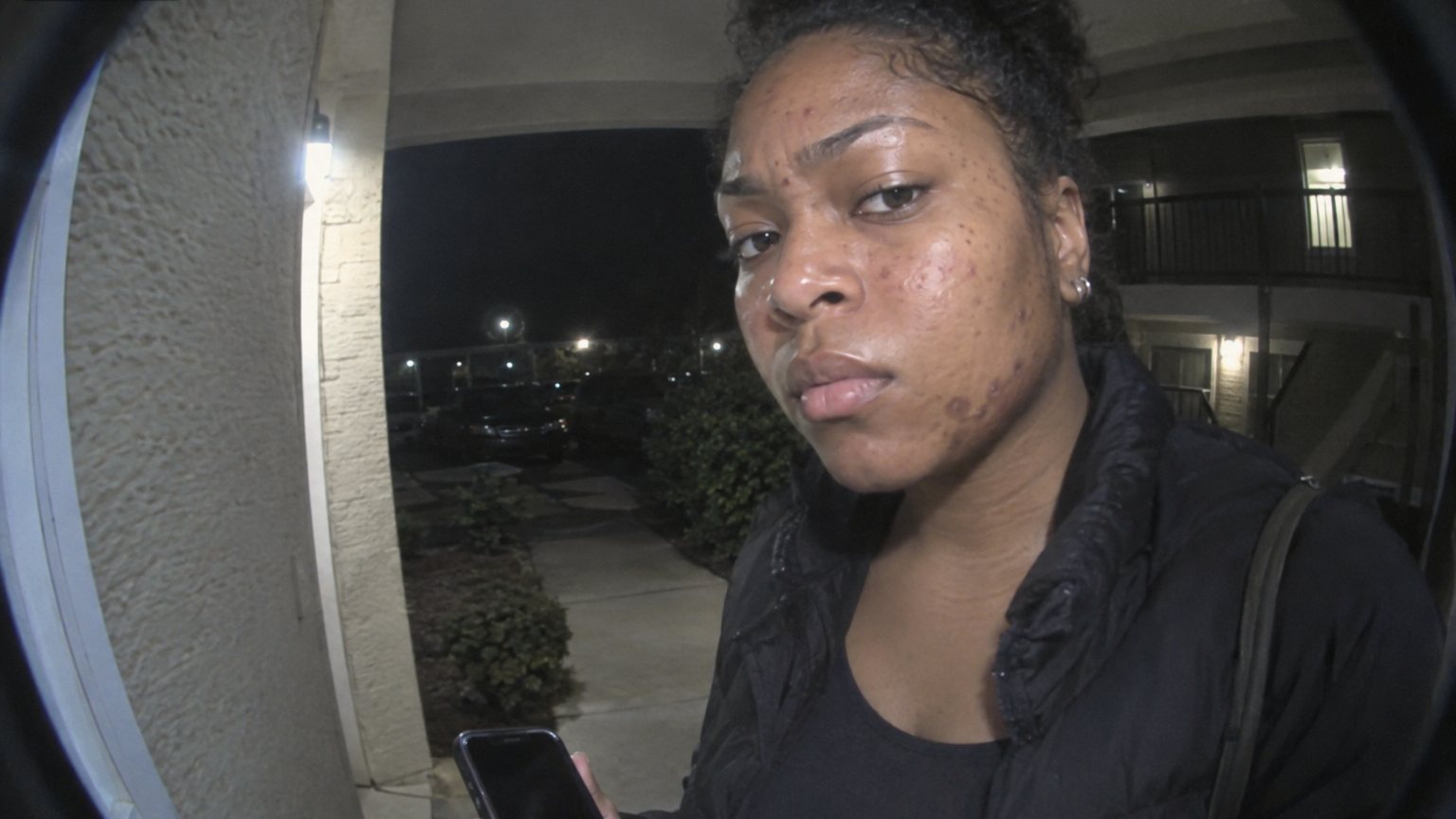
In 2011, among 2,895 women aged 10 to 70, hyperpigmentation was 65% in African American women and 10% in Continental Indian women. The PubMed-listed Journal of the European Academy of Dermatology and Venereology study also reported 48% in Hispanic women, 25% in Caucasian women and 18% in Asian women.
But the gap did not stop with dark marks alone. The paper said dyspigmentation and atrophic scarring were more common in African American and Hispanic women than in all other ethnicities. Atrophic means indented, so this included texture as well as color.
The largest visible gap ran from 65% to 10%
The study group included 384 African American women, 258 Hispanic women, 1,295 Caucasian women, 520 Asian women and 438 Continental Indian women. Those group counts matter because the result was not based on a handful of photos or one clinic waiting room.
Take an adult checking a jawline mark before a family photo. If she matches the African American group in this study, the group number was 65%. If she matches the Hispanic group, it was 48%. If she matches the Continental Indian group, it was 10%.
The study used photographs rather than only asking people what they noticed. The photos were graded for acne lesions, scars and dyspigmentation. For a reader who keeps retaking pictures, that means the paper counted visible acne sequelae, the marks and scars that can remain after active breakouts are no longer the only visible feature.
The age range matters for adult readers, too. The source notes say the women ranged from 10 to 70, so the published sample was wider than a teen acne snapshot. It captured acne-related marks across a broad life span, including years when adult acne can sit on the chin, cheeks or jawline.
The skin finding counted color change and scars
The 2011 paper did not only count current pimples. It graded acne lesions, scars and dyspigmentation across 2,895 photographed participants. Dyspigmentation means uneven skin color, which is the plain-language reason an old spot can still stand out in a phone camera.
That is the skin side behind the photo-season worry. Acne can leave more than one visible trace: a current lesion, a darker or lighter patch, or an atrophic scar. The study specifically named both dyspigmentation and atrophic scarring in its ethnicity comparison.
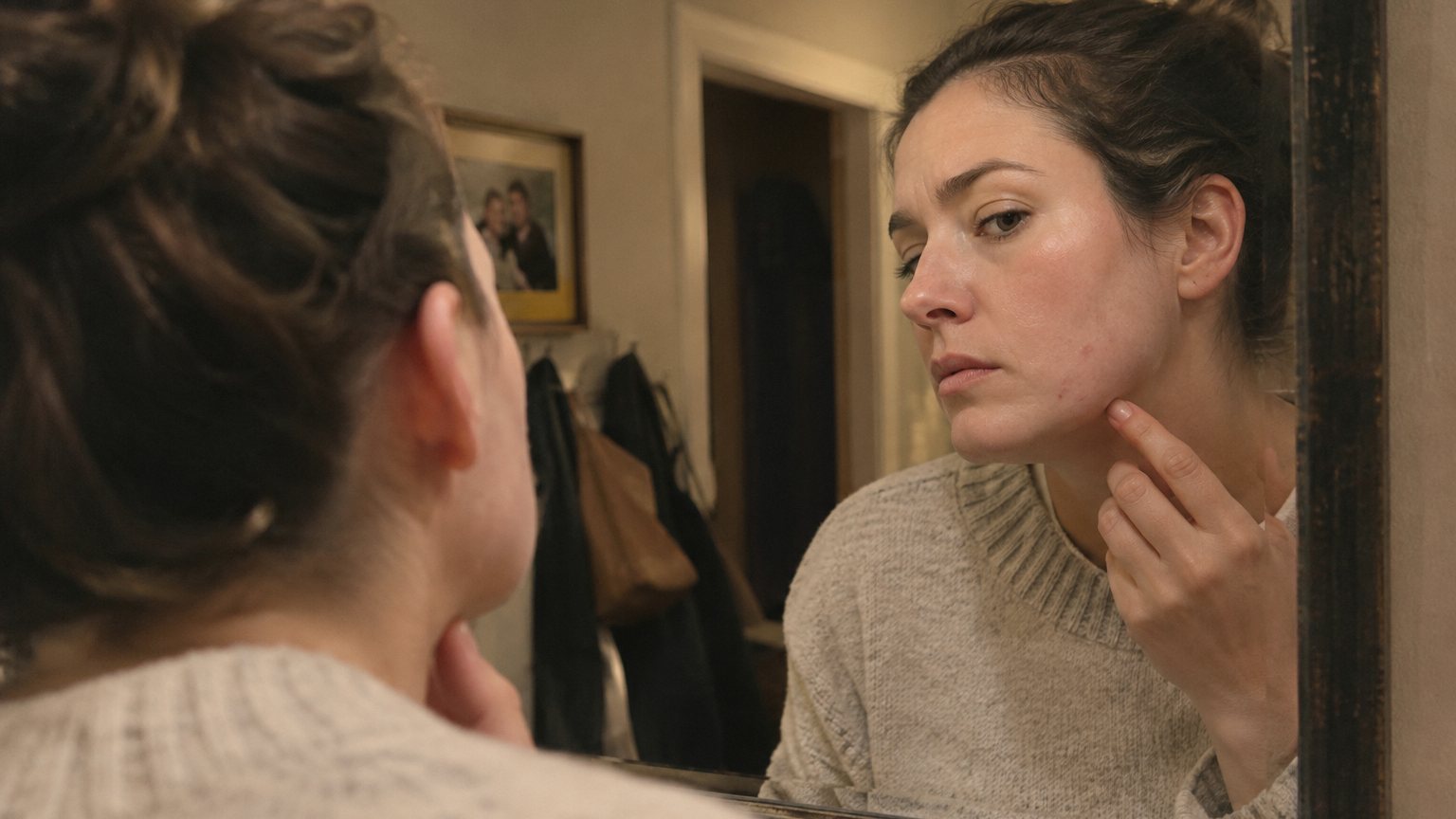
Why can the same breakout leave different-looking marks?
The 2011 paper did not give one cause that applied to all 5 ethnic groups. It reported a pattern: hyperpigmentation was more prevalent in African American and Hispanic women than in Asian, Continental Indian and Caucasian women.
A separate 2022 paper in the International Journal of Women’s Dermatology adds another piece. It included 723 adults with post-acne scars and reported that scar severity increased in people who had experienced higher facial acne severity in the past, and in those with longer facial acne duration.
For a reader with adult acne now, that second paper points to what is worth writing down before an appointment. Past facial acne severity and longer facial acne duration were tied to worse scar severity in the survey, so the history of the breakout mattered along with the mark visible today.
Facial scars concerned 75% in a separate adult survey
In the 2022 survey of 723 adults with post-acne scars, 75% indicated facial scars as a concern, after Crowley Star rounded the source figure to a whole percentage. The face was the leading concern in the supplied study notes.
That finding fits the everyday pressure point for adult acne. A scar or dark mark on the cheek, chin or jawline sits in the same place a phone camera, meeting screen or holiday photo tends to center. The source described a correlation, not a prediction for any one face.
Every ethnic group reported in the study
The 2011 journal study reported the following hyperpigmentation percentages by ethnic group. The table uses the group labels from the source, so you can compare the number closest to how the study would have classified you.
| Ethnicity as reported by the study group | Share with hyperpigmentation |
|---|---|
| African American | 65% |
| Hispanic | 48% |
| Caucasian | 25% |
| Asian | 18% |
| Continental Indian | 10% |
What this means for you
If your breakout has faded but the mark has not, track what is changing: color, texture, raised areas, indented areas and how long the mark has been visible. Bring that record to a dermatologist or pharmacist, especially if marks are changing or scars are forming.
Ask how acne treatments, pigment-focused ingredients, retinoids, benzoyl peroxide or sunscreen fit your skin type and acne pattern. A dermatologist or pharmacist can explain how to use them and when a prescription option or procedure should be discussed.