

Women in a 2016 acne-clinic report said acne worsened with levonorgestrel IUDs 36%, implants 33%, and depot injections 27%. PubMed / National Library of Medicine indexed the retrospective survey of 2,147 consecutive women using hormonal contraception at their first acne consultation.
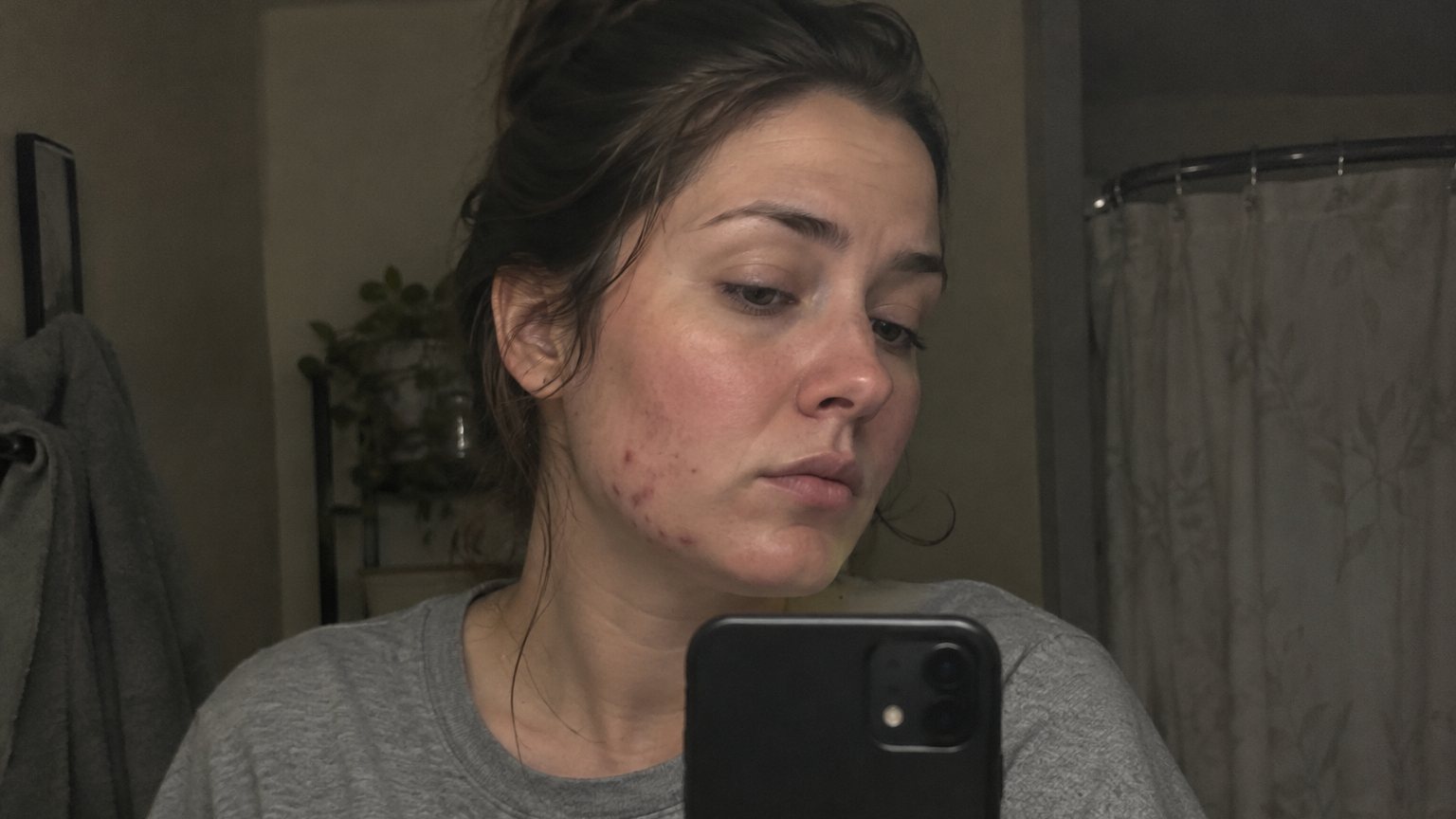
But this was not a survey of all birth-control users. It was a group already sitting at an acne visit, often because breakouts were bothering them enough to seek care. That makes it most useful for a familiar moment: a new jawline flare after a switch.
Levonorgestrel IUD users reported worsening at 36%
The same 2016 survey also asked about significant improvement. It was reported by 3% of levonorgestrel IUD users, 1% of progestin implant users and 5% of depot medroxyprogesterone acetate users.
Take an adult woman who changes contraception, then sees chin and jawline breakouts in every front-camera photo. If she used a levonorgestrel IUD, her report would fall into the 36% group that said acne was worse. With a progestin implant, the comparable figure was 33%.
Acne care records miss the bathroom-mirror part
The 2020 PMC peer-reviewed article did not measure sebum, the skin oil that can mix with dead cells inside pores. It followed 336,738 female new contraceptive users and counted clinical encounters for acne.
In that claims-based source, the frequency of people seeking care for new acne was low overall at under 5%. The absolute difference in incident clinical encounters for acne between contraception classes was under 1%, which is smaller than a person may feel when a flare is on the face.
Why did combined methods look different?
In the 2016 acne-clinic survey, combined methods were more often linked to improvement. Significant improvement was reported by 26% of drospirenone-ethinyl estradiol users, 17% of norgestimate-ethinyl estradiol users and 15% of desogestrel-ethinyl estradiol users.
The vaginal ring also stood out from the long-acting progestin methods. In the survey, 14% of etonogestrel-ethinyl estradiol vaginal ring users reported significant improvement, while 4% reported worse acne. Levonorgestrel-ethinyl estradiol pills were closer: 6% improved and 10% worsened.
The larger file included IUDs, implants and shots
The 2020 PMC article covered 336,738 female new contraceptive users. It included copper IUD users at 2.1%, etonogestrel implant users at 1.9%, progestin-only oral contraceptive users at 1.3% and DMPA injection users at 1.2%.
That 2020 analysis found women using a copper IUD or a levonorgestrel IUD were slightly more likely than combined oral contraceptive users to have incident or worsening acne encounters.
The two sources answer different questions. The 2016 acne-clinic survey asked patients already at an acne visit what they noticed. The 2020 claims file counted clinical encounters after starting contraception, including users whose breakouts may never have led to a recorded visit.
Each reported worsening rate by contraceptive method
The patient-reported 2016 acne survey gave the clearest method-by-method worsening percentages. The copper IUD was not included in this public worsening table, so it is not listed here.
| Contraceptive method | Reported acne worse |
|---|---|
| Levonorgestrel intrauterine device | 36% |
| Progestin implant | 33% |
| Depot medroxyprogesterone acetate injection | 27% |
| Levonorgestrel-ethinyl estradiol oral contraceptive | 10% |
| Norgestimate-ethinyl estradiol oral contraceptive | 6% |
| Etonogestrel-ethinyl estradiol vaginal ring | 4% |
| Drospirenone-ethinyl estradiol oral contraceptive | 3% |
| Desogestrel-ethinyl estradiol oral contraceptive | 2% |
What this means for you
If your acne changed after starting or switching birth control, write down the method, the start date and where the breakouts appeared. Bring photos if the flare comes and goes. A dermatologist, gynecologist or pharmacist can help you compare acne concerns with pregnancy prevention, bleeding patterns and other health needs.
Ask how acne treatments such as benzoyl peroxide, retinoids, spironolactone or prescription options fit your situation. Your clinician or pharmacist can explain how to use any treatment safely, especially if contraception, pregnancy plans or other medicines are part of the picture.