
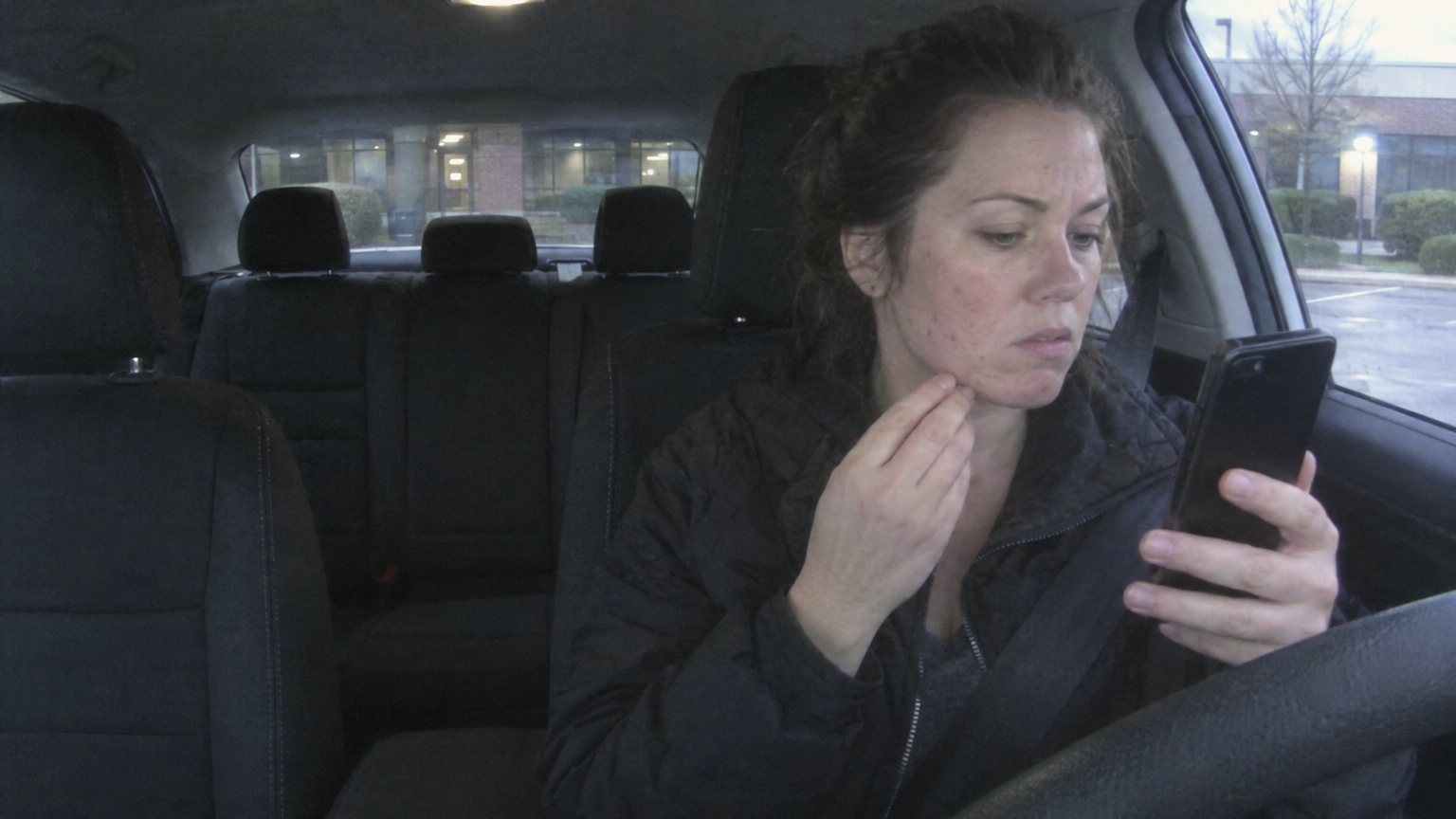
On Nov. 25, 2010, 27% of 2,895 photographed women had clinical acne, with groups ranging from 37% to 23%. The Journal of the European Academy of Dermatology and Venereology published the photographic survey, and clinical acne meant acne visible enough for grading in high-resolution facial images.
But the adult part is what hits on a work call or in a holiday photo. The paper reported acne in nearly half of women in their 20s, one quarter in their 30s, and over 10% in their 40s.
The survey was not a quick mirror check or a memory question. Researchers examined photographs of women ages 10 to 70, recruited from the general population in 4 cities, then graded visible acne and related skin features in a structured way.
Women in their 20s still carry the biggest adult share
The study recruited 2,895 women ages 10 to 70 from the general population in 4 cities. Investigators used high-resolution digital images of the left side of the face, then graded acne lesions, scars, dyspigmentation, sebum excretion and pore size.
Dyspigmentation means uneven color, often the dark or red-looking marks people notice after inflamed spots calm down. Sebum excretion means oil output. Those details make the paper useful for adults who see both active bumps and older-looking marks on camera.
Take a 32-year-old who keeps her camera off until the meeting starts. Her age decade sits in the one-quarter group, according to the paper. If she is comparing by race or ethnicity, the survey’s range ran from 37% to 23%.
That comparison can make a private worry feel less isolated without turning it into a diagnosis. A 32-year-old still needs her own pattern checked, but the source shows adult acne remains common after the teenage peak.
Clogged follicles and inflamed bumps explain the visible count
The paper split clinical acne into 2 visible types. Comedonal acne means clogged pores, often seen as whiteheads or blackheads. Inflammatory acne means redder, irritated bumps. Across the full sample, 13% were classified as comedonal and 14% as inflammatory.
Those categories matter when you look at yourself on a screen. A camera tends to catch redness, uneven texture and marks before it captures how sore a spot feels. The study also graded dyspigmentation, sebum excretion and pore size, not only active bumps.
Because the authors looked at scars, uneven color, oil output and pore size, the numbers cover more than the newest bump. For an adult on video, that matters because old marks and active breakouts can appear together in the same small camera window.
Who is most affected?
The largest figure in the survey was among African American women, at 37%. Hispanic women were next at 32%, followed by Asian women at 30%, Caucasian women at 24% and Continental Indian women at 23%.
The study used 5 population groups and general-population recruitment in 4 cities. The authors reported a clear race and ethnicity gradient, but the paper did not say that race or ethnicity alone caused acne.
For readers, the useful part is comparison, not blame. The same survey placed all cities together at 27%, while every named group sat between 23% and 37%. That gives context for a face-check before a work call or photo.
The highest and lowest groups sit 14 points apart
By Crowley Star calculation, the gap between 37% and 23% is 14 percentage points. That is the difference between the African American and Continental Indian groups in this survey, using the labels reported by the journal.
The paper classified 370 women as comedonal and 403 as inflammatory. Put simply, the overall adult-and-younger sample had both clogged-pore acne and inflamed acne, which are the 2 types adults often try to describe in a mirror.
Every race and ethnicity group in the survey
Here is the full people-like-you breakdown from the photographic survey, with the overall figure shown as 27% under Crowley Star style.
| Group in the photographic survey | Women with clinical acne |
|---|---|
| All cities | 27% |
| African American | 37% |
| Hispanic | 32% |
| Asian | 30% |
| Caucasian | 24% |
| Continental Indian | 23% |
What this means for you
If you are still breaking out as an adult, these numbers put that worry in context. Acne was reported in nearly half of women in their 20s, one quarter in their 30s and over 10% in their 40s in this survey.
For your own skin, notice the pattern: clogged pores, inflamed bumps, marks, oiliness, jawline clusters or breakouts that flare around stress or cycles. Ask a dermatologist or pharmacist which over-the-counter or prescription options fit that pattern and how to use them.
Bring the timeline too. A pharmacist or dermatologist may ask when breakouts started, whether marks linger, and whether the bumps are mostly clogged pores or red inflamed spots. The survey’s categories can help you describe what you see without guessing at a cause.