

In 2020, acne patients in one clinic group had acne bacteria resist erythromycin 73% of the time and clindamycin 59%. BMC Dermatology reported the result after testing Cutibacterium acnes, often shortened to C. acnes, from acne lesions in Amman, Jordan.
But the catch is practical: this was one clinic study, not a national count. It still matters if you are an adult staring at an old prescription before work photos, a trip, a date, or a week of video calls.
The study found C. acnes in lesions from 100 patients
The 2020 BMC Dermatology paper studied Cutibacterium acnes, the acne-linked bacterium often shortened to C. acnes. The study included 115 participants with acne, and C. acnes was isolated from lesions of 100 patients.
That detail sets the denominator for the resistance results. The 73% erythromycin figure and the 59% clindamycin figure were reported for isolates from those 100 patients, not for every person who entered the study. The source first states that C. acnes was isolated from 100 patients out of 115 participants, then lists resistance for each antibiotic.
Take an adult who finds old erythromycin before a week of office photos. In the study’s 100-patient isolate group, 73% of isolates were resistant to erythromycin, while 59% were resistant to clindamycin. The paper did not report a personal outcome for that adult.
Resistance starts with bacteria taken from real lesions
The skin side starts in the lesion, meaning the clogged or inflamed acne spot being sampled. BMC Dermatology reported that C. acnes was isolated from lesions of 100 patients out of 115 participants, so the resistance results came from acne spots themselves.
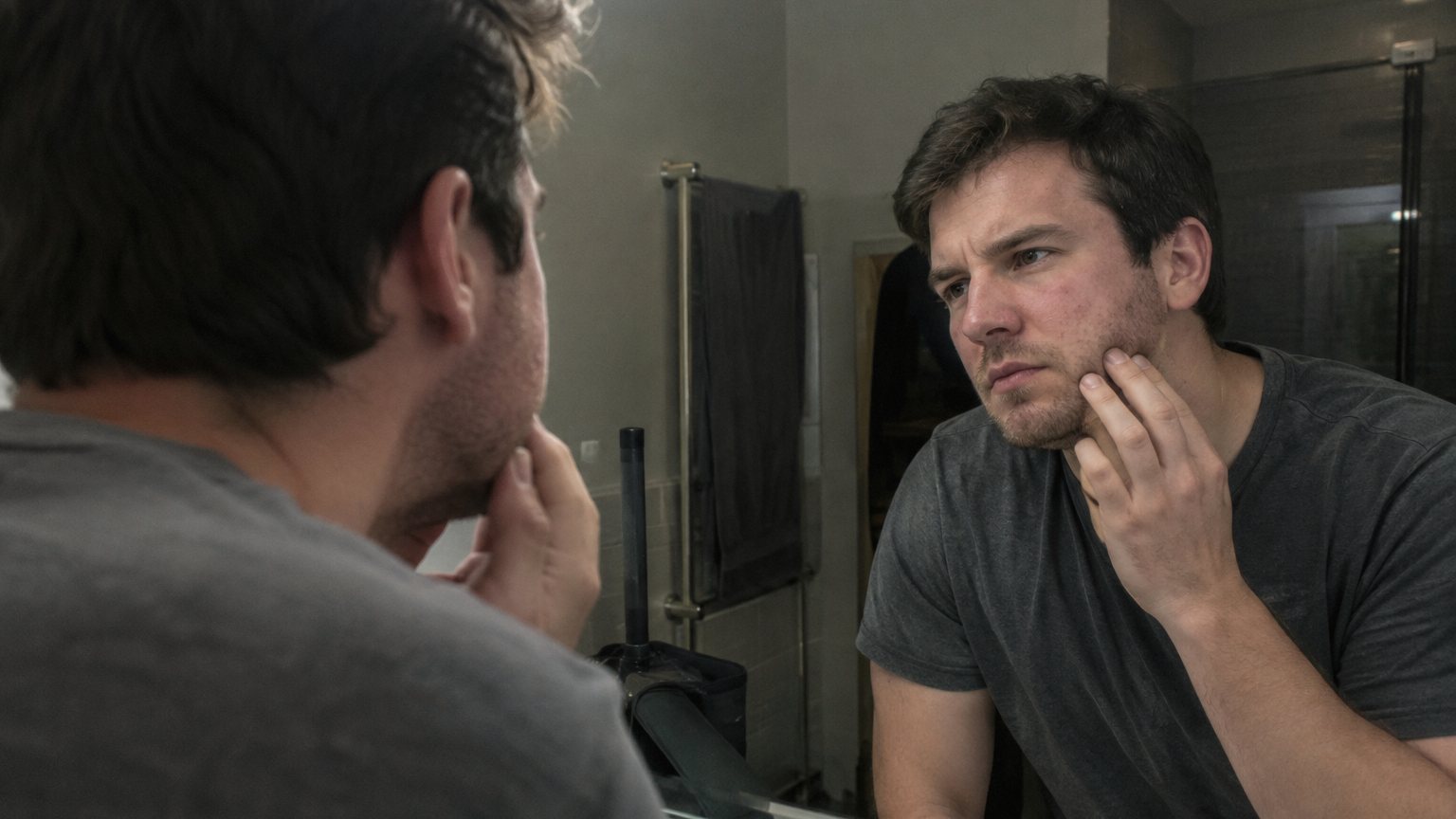
An isolate is bacteria grown and tested from a sample. Resistance means the bacteria were not stopped by that antibiotic in the lab test. For the person in the mirror, the visible issue is still acne: bumps, redness, oil, marks, and the pressure to make a familiar plan fit now.
Why does the antibiotic name matter?
The same study did not give one resistance result for all acne antibiotics. Erythromycin was 73% and clindamycin was 59%, while doxycycline was 37%, tetracycline was 36%, and trimethoprim and sulfamethoxazole was 31%.
Those differences are why the name on an old tube or prescription matters. The 2020 paper tested isolates in a lab. It did not say that a person should switch between antibiotics without asking a dermatologist or pharmacist.
The lowest reported resistance result was 3%
The lower end of the BMC Dermatology list looked different again. Levofloxacin resistance was 15%, while minocycline resistance was 3%. Those numbers came from the same 100-patient isolate group, not from a separate trial of acne improvement.
That distinction matters before a high-pressure week. A resistance result is about whether bacteria were stopped in a lab test. It is not a prediction of how your face, jawline, back, or chest acne will respond to any specific plan.
Every antibiotic result from the acne-clinic study
BMC Dermatology reported resistance for the antibiotics below among the C. acnes isolates. The table keeps the results in the order given in the source.
| Antibiotic tested | Share of isolates resistant |
|---|---|
| Erythromycin | 73% |
| Clindamycin | 59% |
| Doxycycline | 37% |
| Tetracycline | 36% |
| Trimethoprim and sulfamethoxazole | 31% |
| Levofloxacin | 15% |
| Minocycline | 3% |
What this means for you
If you find an old acne antibiotic before a photo-heavy week, do not treat the label as proof it still matches your skin now. The BMC Dermatology study found high resistance to erythromycin and clindamycin in one clinic group.
Ask a dermatologist or pharmacist whether an old acne plan should be restarted, replaced, or avoided. Tell them what you used, when you used it, and what your breakouts look like now. They can explain how to use any treatment safely.