

In 2010, adults ages 18 to 30 with acne had 39% fewer inflamed bumps than placebo after 12 weeks on lactoferrin fermented milk. The PubMed / National Library of Medicine abstract describes a randomized, double-blind, placebo-controlled acne study with 36 adults.
But the study was small: 18 people were assigned to lactoferrin fermented milk, and 18 were assigned to fermented milk only. That makes the finding useful for a dermatologist or pharmacist conversation, not a promise about every adult breakout.
The trial was small, but the comparison was direct
The 2010 abstract says patients with acne vulgaris were randomly assigned for 12 weeks. Acne vulgaris is the common acne pattern of clogged pores, inflamed bumps, whiteheads or blackheads. The main visible comparison was inflammatory lesion count, reported as 39% lower than placebo.
The adult age range matters for readers who still see red bumps before work calls, dates or photos. The abstract measured patients ages 18 to 30, and split the 36 participants evenly into 2 groups. Because it was double-blind and placebo-controlled, the people in the trial were compared against others drinking fermented milk without lactoferrin.
Take a 30-year-old, the top age in the study range, who checks red bumps before a work video call. If her face followed the trial average, the relevant finding was not a vague improvement. It was a 39% difference versus placebo at week 12.
Sebum fell along with the red bumps
The same PubMed abstract also reports a 31% decrease in sebum content versus placebo at 12 weeks. Sebum is skin oil. Too much oil can mix with dead skin cells inside pores, where acne bumps begin and inflammation can make them look red.
The abstract adds that total skin surface lipids decreased in both groups. Lipids are oily substances on the skin surface. That detail matters because the placebo group also drank fermented milk, so not every oil-related change belonged only to lactoferrin.
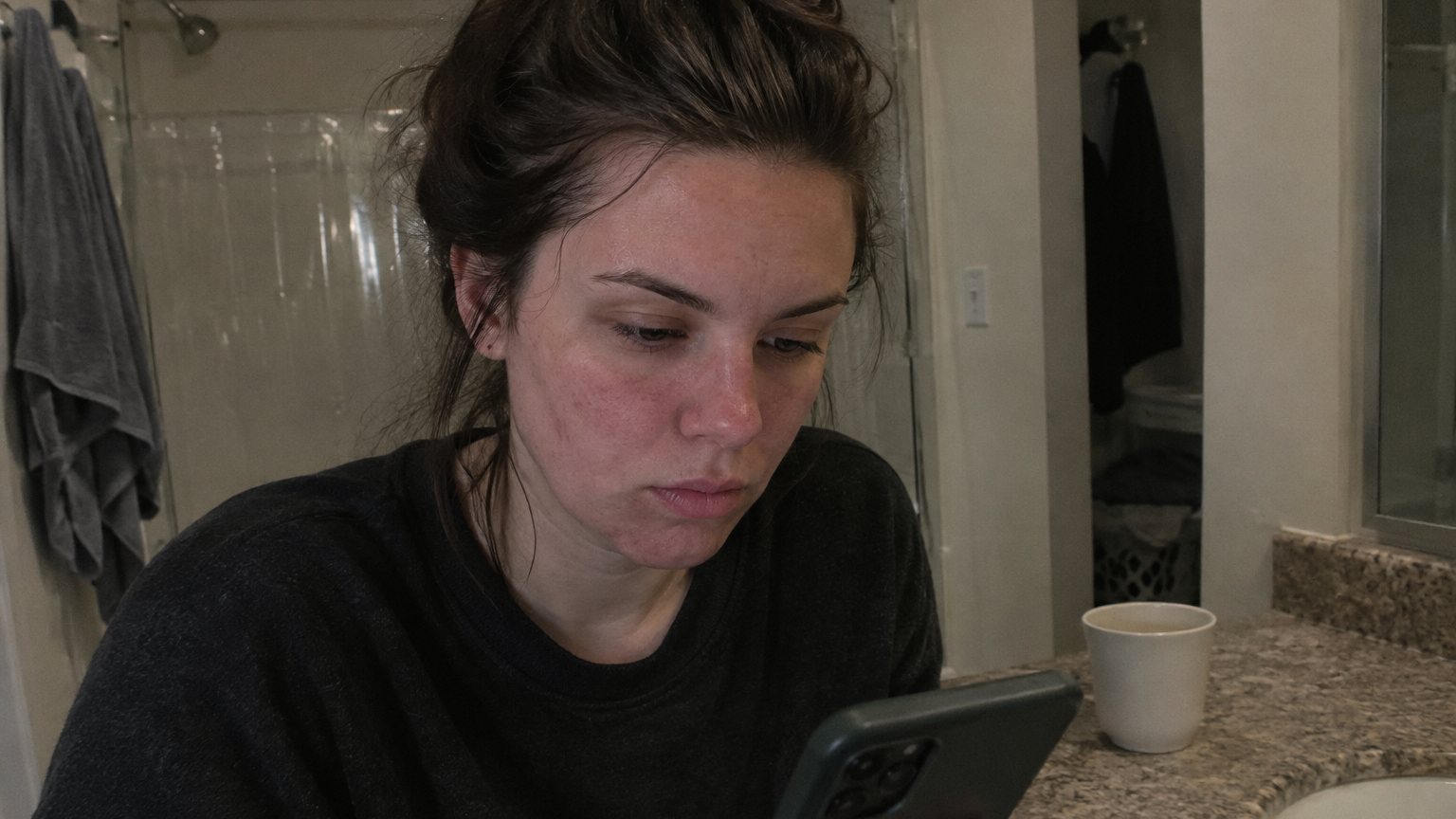
Why might the same face look less angry?
Inflamed bumps are the lesions most likely to look red or raised in a mirror, photo or webcam. The abstract reported a 39% lower inflammatory lesion count, a 23% lower total lesion count and a 20% lower acne grade versus placebo.
Those are different measures. Total lesion count includes more than inflamed bumps. Acne grade is a broader severity score. Sebum content is about oil. The study reported all 4 at 12 weeks, but it did not say every adult would notice the same mirror change.
The placebo comparison kept the mirror story honest
The placebo group matters because acne can shift over 12 weeks for reasons that are not the test ingredient. Stress, sleep, cycle changes, sweat, friction and routine changes can all change how breakouts look from one week to another.
In this trial, both groups received fermented milk, while only 1 group received lactoferrin in that drink. The abstract’s key acne numbers are written as comparisons with placebo at week 12, which is the cleaner way to read the result.
Four acne measures reported at week 12
Here is the full acne breakdown reported in the public abstract, rounded to whole percentages for readability.
| Measure | Change reported versus placebo |
|---|---|
| Inflammatory lesion count | 39% lower |
| Total lesion count | 23% lower |
| Acne grade | 20% lower |
| Sebum content | 31% lower |
| Total skin surface lipids | Decreased in both groups |
What this means for you
If you are thinking about lactoferrin because your breakouts look red or oily on camera, bring the 2010 trial to a dermatologist or pharmacist. Ask how it fits with your acne type, your other treatments, your diet and any health conditions.
The trial gives a real number for adults ages 18 to 30, but it was only 36 people and lasted 12 weeks. If you are using benzoyl peroxide, a retinoid, spironolactone, isotretinoin or another acne treatment, ask a clinician how to combine products safely.